

Type: Prima Decorative Hardware
Cast Iron Shelf Brackets - BA9580

Type: Prima Decorative Hardware
Cast Iron Shelf Brackets - BA9581

Type: Prima Decorative Hardware
Cast Iron Shelf Brackets - BA9582

Type: Prima Decorative Hardware
Cast Iron Shelf Brackets - BA9585
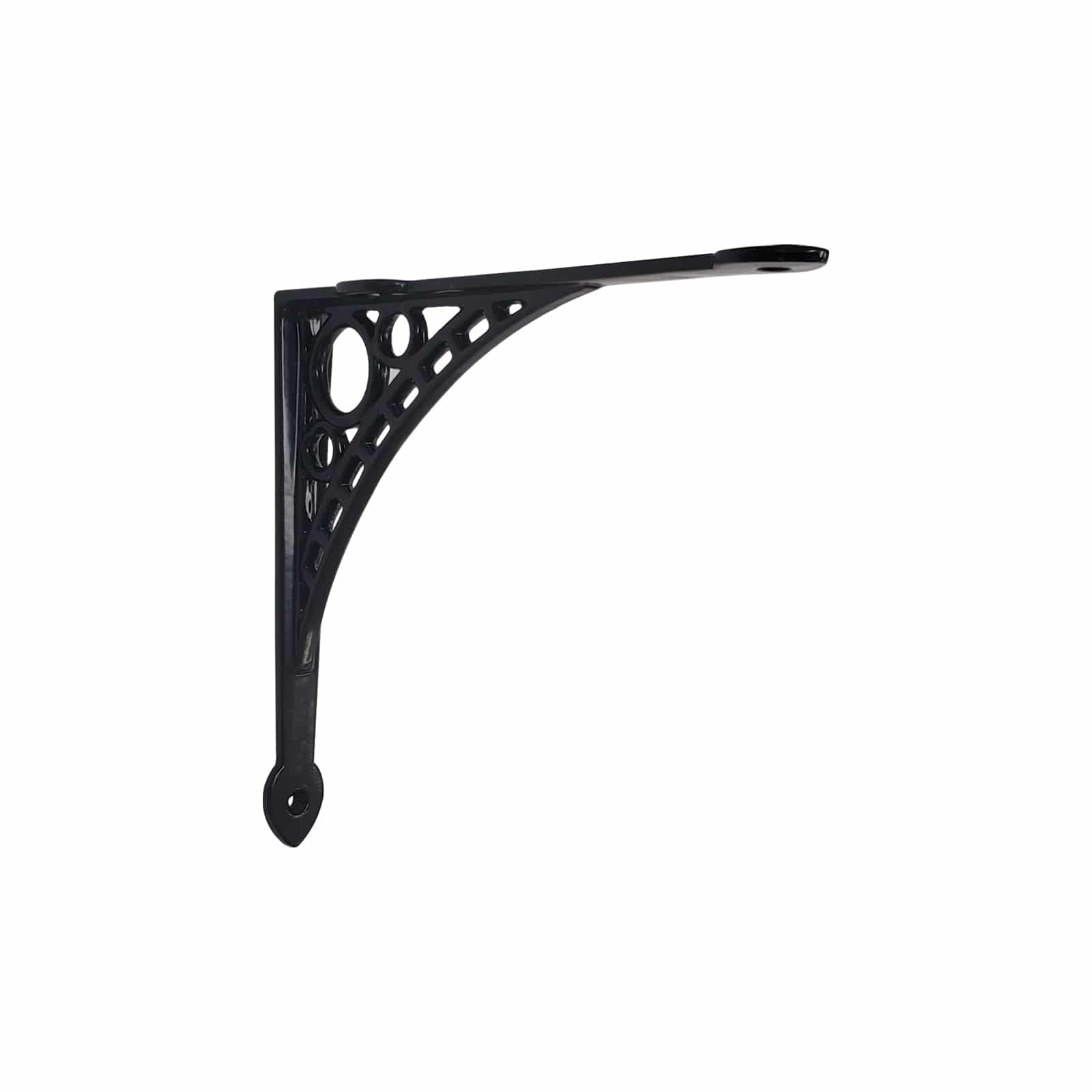
Type: Prima Decorative Hardware
Cast Iron Shelf Brackets - BA9587

Type: Prima Decorative Hardware
Cast Iron Shelf Brackets - BA9588

Type: Prima Decorative Hardware
Cast Iron Shelf Brackets - BA9596

Type: Prima Decorative Hardware
Cast Iron Shelf Brackets - BA9604

Type: Prima Decorative Hardware
Cast Iron Shelf Brackets - BA9605

Type: Prima Decorative Hardware
Cast Iron Shelf Brackets - BA9701

Type: Prima Decorative Hardware
Cast Iron Shelf Brackets - BA9709

Type: Prima Decorative Hardware
Cast Iron Shelf Brackets - BA9710

Type: Prima Decorative Hardware
Cast Iron Shelf Brackets - BA9711

Type: Prima Decorative Hardware
Cast Iron Shelf Brackets - BA9712

Type: Prima Decorative Hardware
Cast Iron Shelf Brackets - BA9716
Cast Iron Shelf Brackets — Decorative Heavy Duty Wall-Mounted Shelving Supports
Handcrafted from heavy-duty sand-cast iron with a durable black powder coat finish, Prima's decorative shelf brackets bring both strength and character to any room. Each set includes two brackets with matching mounting screws, sized to support shelves for kitchens, living rooms, bathrooms, and more. Browse our collection of cast iron shelf brackets in multiple sizes and ornate designs.
Why Choose Cast Iron Shelf Brackets?
Cast iron has been the material of choice for decorative shelf brackets since the Victorian era, and for good reason. Sand-cast iron is denser and more rigid than steel or aluminum, meaning it resists bending under heavy loads without flexing over time. A quality cast iron bracket can support everything from a row of hardcover books to stoneware dishes on a kitchen display shelf — and do it for decades.
Beyond strength, cast iron takes beautifully to decorative patterns. The sand-casting process captures fine details like scrollwork, floral motifs, arched supports, and geometric designs that stamped metal simply cannot replicate. Each bracket in our collection is individually cast and finished with a durable matte black powder coating that protects against rust and complements virtually any wood tone or wall colour.
Every set from Prima Decorative Hardware includes two matching brackets and the mounting screws you need for installation — no hunting for compatible fasteners at the hardware store.
Features & Specifications
-
Material: Heavy-duty sand-cast iron
-
Finish: Matte black powder coating (rust-resistant, suitable for indoor and sheltered outdoor use)
-
Construction: Handmade — individually sand-cast for detailed patterns
-
Sold as: Sets of 2 brackets with matching mounting screws
-
Size range: Multiple sizes available, from compact 5–6 inch brackets for small display shelves up to 11+ inch brackets for deeper shelving and countertop support
-
Mounting: Wall-mounted; recommended to secure into wall studs for maximum load capacity
-
Use: Indoor and sheltered outdoor applications — kitchens, living rooms, bathrooms, laundry rooms, patios, garages
How to Choose the Right Shelf Bracket Size
Selecting the correct bracket size is straightforward once you know two measurements: your shelf depth and the weight you plan to place on it.
The ¾ Rule: As a general guideline, the support arm of your bracket should reach approximately 75 percent of your shelf's depth. For example, if your shelf board is 10 inches deep, choose a bracket with a support arm of at least 7–8 inches. This keeps the front edge of your shelf from dipping under load.
Bracket Spacing: For most shelving projects, space brackets no more than 24 inches apart along the length of the shelf. For heavier loads such as books, cookware, or stoneware, reduce spacing to 16–18 inches or add a third bracket in the centre. A 36-inch shelf typically needs at least two brackets; a 48-inch shelf benefits from three.
Shelf Thickness: Standard shelf boards run ¾ inch to 1 inch thick and pair well with any size bracket. If using thicker butcher block or live-edge lumber (1.25 inches or more), consider larger brackets for proportional support.
|
Shelf Depth |
Recommended Bracket Arm |
Best For |
|
5–6 in |
4–5 in bracket |
Small display shelves, bathroom storage |
|
8–10 in |
6–8 in bracket |
Bookshelves, kitchen open shelving |
|
10–12 in |
8–10 in bracket |
Deep pantry shelves, laundry room storage |
|
12+ in |
10–11+ in bracket |
Countertop support, bar shelves, heavy-duty storage |
Cast Iron vs Other Shelf Bracket Materials
|
Feature |
Cast Iron |
Steel (Stamped) |
Aluminum |
Wood |
|
Strength |
Excellent — high compressive load |
Good — may flex under heavy load |
Moderate — lightweight |
Fair — varies by species |
|
Weight |
Heavy (adds stability) |
Medium |
Light |
Varies |
|
Decorative Detail |
Excellent — sand casting captures intricate patterns |
Limited to bends and cuts |
Limited |
Good — can be carved |
|
Rust Resistance |
Good with powder coating |
Good with coating |
Excellent (naturally corrosion-resistant) |
Vulnerable to moisture |
|
Durability |
Decades — extremely long-lasting |
Years — may bend over time |
Years |
Years — can crack or split |
|
Cost |
Moderate–Premium |
Budget–Moderate |
Budget–Moderate |
Moderate–Premium |
|
Best For |
Decorative and heavy-duty shelving |
Basic utility shelving |
Outdoor or lightweight use |
Matching wood-toned interiors |
Cast iron offers the best combination of decorative detail and structural strength. For projects where both aesthetics and load capacity matter — like kitchen open shelving or a living room bookshelf display — cast iron is the top choice.
Where to Use Decorative Shelf Brackets
Cast iron shelf brackets are versatile enough for nearly any room in the house:
Kitchen: Open shelving is one of the most popular uses for decorative brackets. Mount brackets above the countertop to display everyday dishes, spice jars, cookbooks, and glassware. The ornate designs of cast iron add a farmhouse or industrial accent that stands out against subway tile and natural wood shelves.
Living Room & Den: Create a custom bookshelf wall or display ledge using brackets and reclaimed wood planks. Space shelves 10–12 inches apart for paperbacks or 14–16 inches for art books and framed photos.
Bathroom: A single shelf mounted on decorative brackets above the toilet or beside the vanity provides stylish storage for towels, candles, and toiletries without taking up floor space.
Entryway & Hallway: Mount a shelf above the door or along a narrow hallway wall for keys, mail, and small decorative items. Smaller brackets (5–6 inch) work well in tight spaces.
Laundry Room & Garage: Larger brackets support deep shelves for detergent, cleaning supplies, or tool storage. Cast iron's strength makes it ideal for heavier utility loads.
Outdoor & Patio: With a powder-coated finish, our brackets can be used in sheltered outdoor areas — under covered porches, on fence-mounted plant shelves, or beside outdoor kitchens.
Installation Guide
Installing cast iron shelf brackets is a straightforward DIY project. Here is what you need:
Tools required: Power drill, drill bits, level, pencil, tape measure, stud finder
Step 1 — Locate your wall studs. Use a stud finder to mark stud locations. Wall studs are typically spaced 16 inches apart. Always anchor at least one bracket into a stud for secure support. If a stud does not align with your desired bracket placement, use heavy-duty toggle bolts or mount a horizontal backer board across two studs and attach the bracket to the backer.
Step 2 — Mark bracket positions. Hold the first bracket at your desired shelf height and use a level to draw a straight horizontal reference line. Mark the screw holes with a pencil. Repeat for each additional bracket, using the level to ensure all brackets align.
Step 3 — Drill pilot holes. Using a drill bit slightly smaller than the included mounting screws, drill pilot holes at each marked point. Drill straight and steady.
Step 4 — Mount brackets. Drive the included screws through the bracket holes into the pilot holes. Tighten securely and check level again.
Step 5 — Attach the shelf. Set the shelf board on top of the brackets and adjust for even overhang on each side. Secure the shelf to each bracket from underneath using short wood screws (⅝ inch to ¾ inch) that will not poke through the top of the shelf.
Pro Tips:
- For heavy loads (books, cookware, stoneware), always mount into wall studs rather than drywall alone
- Check level after every bracket — even small misalignment will be visible once the shelf is loaded
- When mounting multiple shelves vertically, work from the top down to avoid bumping installed shelves
Care & Maintenance
Cast iron shelf brackets are low-maintenance by design. The powder-coated finish resists rust and scratches under normal indoor conditions. Wipe brackets with a dry or slightly damp cloth to remove dust. Avoid abrasive cleaners that could scratch the coating. If a bracket is used in a humid environment (bathroom or sheltered outdoor area), inspect periodically for any chips in the powder coat and touch up with matte black spray paint to prevent surface rust.
Frequently Asked Questions
Q: How much weight can cast iron shelf brackets hold?
A: Load capacity depends on bracket size, the number of brackets used, and how they are mounted. A pair of heavy cast iron brackets anchored into wall studs can typically support 100 to 200 pounds or more. Always mount into studs rather than drywall alone for maximum strength, and add extra brackets for longer or heavier shelves.
Q: How many shelf brackets do I need?
A: For shelves up to 36 inches long, two brackets are usually sufficient. For shelves 36 to 48 inches, use three brackets. For shelves longer than 48 inches, add a bracket approximately every 24 inches. For heavier loads, reduce spacing to 16–18 inches.
Q: What size shelf bracket should I choose?
A: Choose a bracket with a support arm that reaches at least 75 percent of your shelf's depth. For example, a 10-inch-deep shelf pairs well with a 7–8 inch bracket. If in doubt, size up rather than down for extra stability.
Q: Can I mount shelf brackets on drywall without a stud?
A: For lightweight decorative items (under 15–20 pounds total), you can use heavy-duty toggle bolts rated for your load. For anything heavier — books, dishes, cookware — always anchor into wall studs. Alternatively, mount a horizontal backer board across two studs and attach brackets to the board.
Q: Are these brackets suitable for outdoor use?
A: Our brackets feature a durable matte black powder coating that provides good protection against moisture and light weathering. They are suitable for sheltered outdoor areas such as covered porches and patios. For fully exposed outdoor locations, periodically inspect and touch up any chips in the coating to prevent rust.
Q: Do the brackets come with mounting hardware?
A: Yes. Every set includes two matching cast iron brackets and the mounting screws needed for installation into wall studs. For installation into masonry, brick, or concrete, you may need additional anchors appropriate for your wall type.
Q: Can cast iron shelf brackets be used as corbels?
A: Larger cast iron brackets can serve as decorative corbels beneath countertops, mantels, or bar tops. The ornate patterns are especially suited to this use. Ensure the bracket size and load capacity match the depth and weight of the surface being supported.
Q: What is the difference between cast iron and wrought iron shelf brackets?
A: Cast iron is formed by pouring molten iron into a mould (the sand-casting process), which captures intricate decorative detail. Wrought iron is heated and shaped by hand hammering or rolling, producing simpler, more organic forms. Cast iron is more rigid and better suited to heavy-duty applications, while wrought iron is more malleable. Most decorative shelf brackets on the market today — including Prima's — are sand-cast iron.
Q: How do I clean cast iron shelf brackets?
A: Simply wipe with a dry cloth or a lightly dampened cloth. Avoid abrasive cleaners, steel wool, or harsh chemicals that could damage the powder coat finish.
Q: Can I paint or refinish the brackets to a different colour?
A: Yes. Lightly sand the existing powder coat with fine-grit sandpaper (220-grit), apply a metal primer, and finish with your desired colour in a spray paint formulated for metal surfaces. This allows you to match brackets to any décor scheme.


